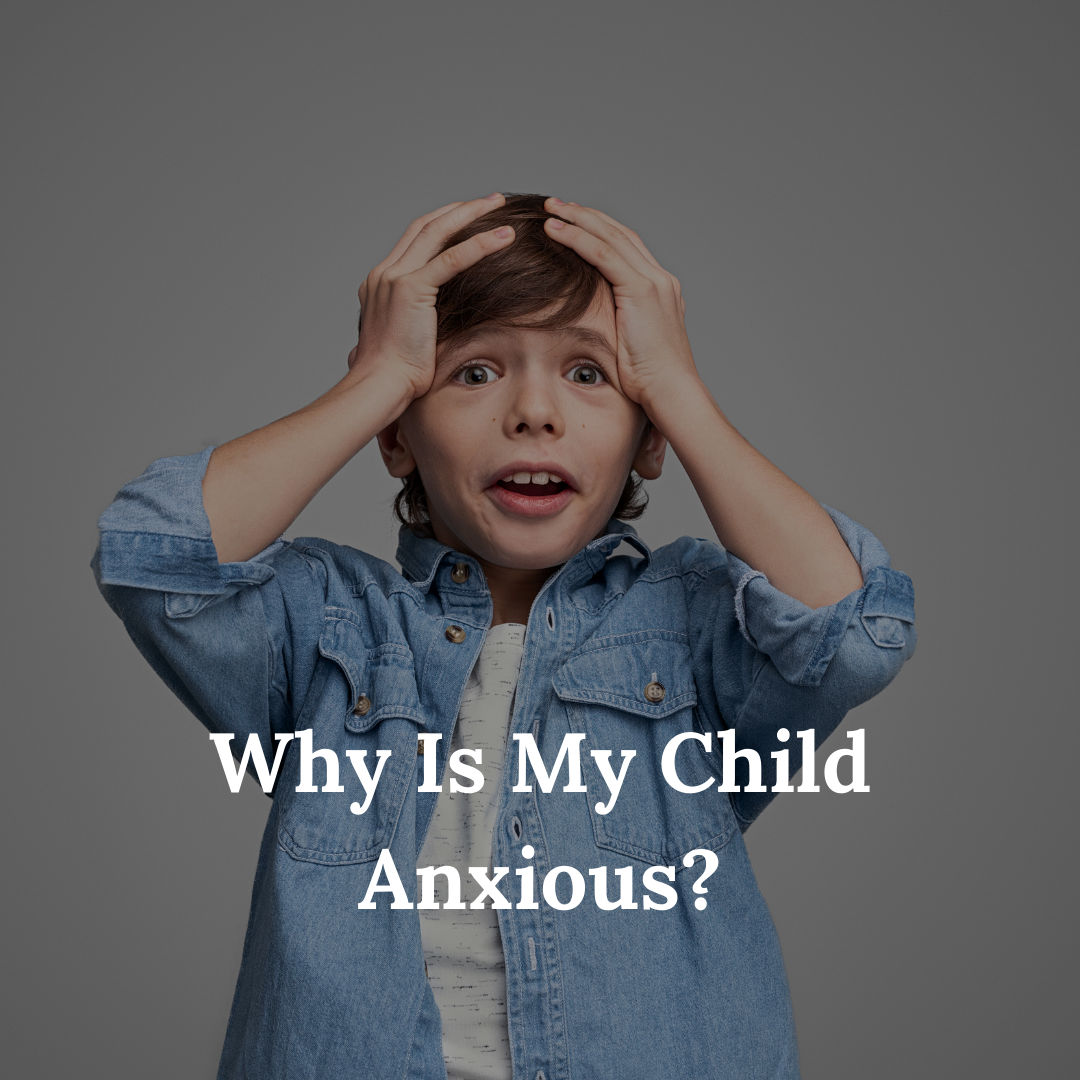
Why Is My Child Anxious?
Why is my child anxious? Many parents today notice their child seems constantly on edge. Maybe they worry about small things, struggle to calm down, or feel overwhelmed in situations that once felt easy.
If you’ve been asking yourself, “Why is my child anxious?”, you’re not alone. Anxiety in children has become increasingly common, and many parents are searching for natural ways to help their kids feel calmer and more secure.
Understanding what may contribute to childhood anxiety is the first step toward helping your child regulate stress and feel more balanced.
Signs of Anxiety in Children
Anxiety can look different in kids than it does in adults. Sometimes it shows up physically or behaviorally rather than verbally.
Common signs of anxiety in children include:
Frequent worrying
Difficulty relaxing
Trouble sleeping
Avoiding new situations
Stomach aches or headaches
Difficulty focusing
Emotional outbursts or meltdowns
Some children also appear constantly alert or tense, as if their body is always preparing for stress.
Why Some Children Feel Anxious
There are many possible reasons a child may feel anxious. Often, it is not caused by just one factor but a combination of influences affecting the nervous system.
1. An Overloaded Nervous System
Children today experience a lot of stimulation throughout the day:
Busy school environments
Sports and activities
Screen time and digital media
Loud or fast-paced surroundings
When the nervous system processes too much input, it can become overwhelmed. This can cause the body to stay in a heightened “fight or flight” stress response, making children feel constantly on edge.
2. Poor Sleep
Sleep is essential for a child’s ability to regulate emotions.
When kids are not getting enough quality sleep, parents often notice:
Increased anxiety
Shorter tempers
Difficulty focusing
Greater emotional sensitivity
Helping children get consistent, restful sleep can significantly improve emotional balance.
3. Physical Stress in the Body
Children experience physical stress more often than parents realize.
This can include:
Falls while learning to walk
Sports injuries
Poor posture while reading or using screens
Heavy backpacks
These stresses can affect the spine and the communication between the brain and body through the nervous system, which plays a major role in regulating emotional responses.
4. Difficulty Regulating Stress
The nervous system controls how the body responds to stress. When functioning well, children can return to a calm state more easily after something upsetting happens.
But when the nervous system is overwhelmed, kids may:
Stay in a heightened stress response
Feel anxious more frequently
Struggle to relax or feel calm
This can make everyday situations feel much bigger than they really are.
Supporting a Child With Anxiety
There are many ways parents can help support their child’s emotional regulation.
Helpful strategies include:
Consistent sleep routines
Limiting overstimulating screen time
Encouraging outdoor play
Creating calm, predictable routines
Supporting healthy posture during reading and screen use
When the body and nervous system are well supported, children often have an easier time regulating stress.
How Chiropractic Care May Help
Chiropractic care focuses on the health of the spine and nervous system.
The nervous system controls many functions in the body, including how we respond to stress. When the spine moves properly and the nervous system communicates effectively, children may be better able to regulate their emotional responses.
Many parents report improvements such as:
Calmer behavior
Better sleep
Improved focus
Fewer emotional outbursts
While every child is different, supporting nervous system health can be an important piece of the puzzle when addressing childhood anxiety.
Supporting Families in Traverse City
At Third Coast Chiropractic, we work with families looking for natural ways to support their children’s health, behavior, and nervous system function.
If your child often feels anxious or on edge, evaluating how their nervous system is functioning may help provide new insight and support.
Helping the body regulate stress more effectively can allow children to feel calmer, more focused, and more confident in everyday life.