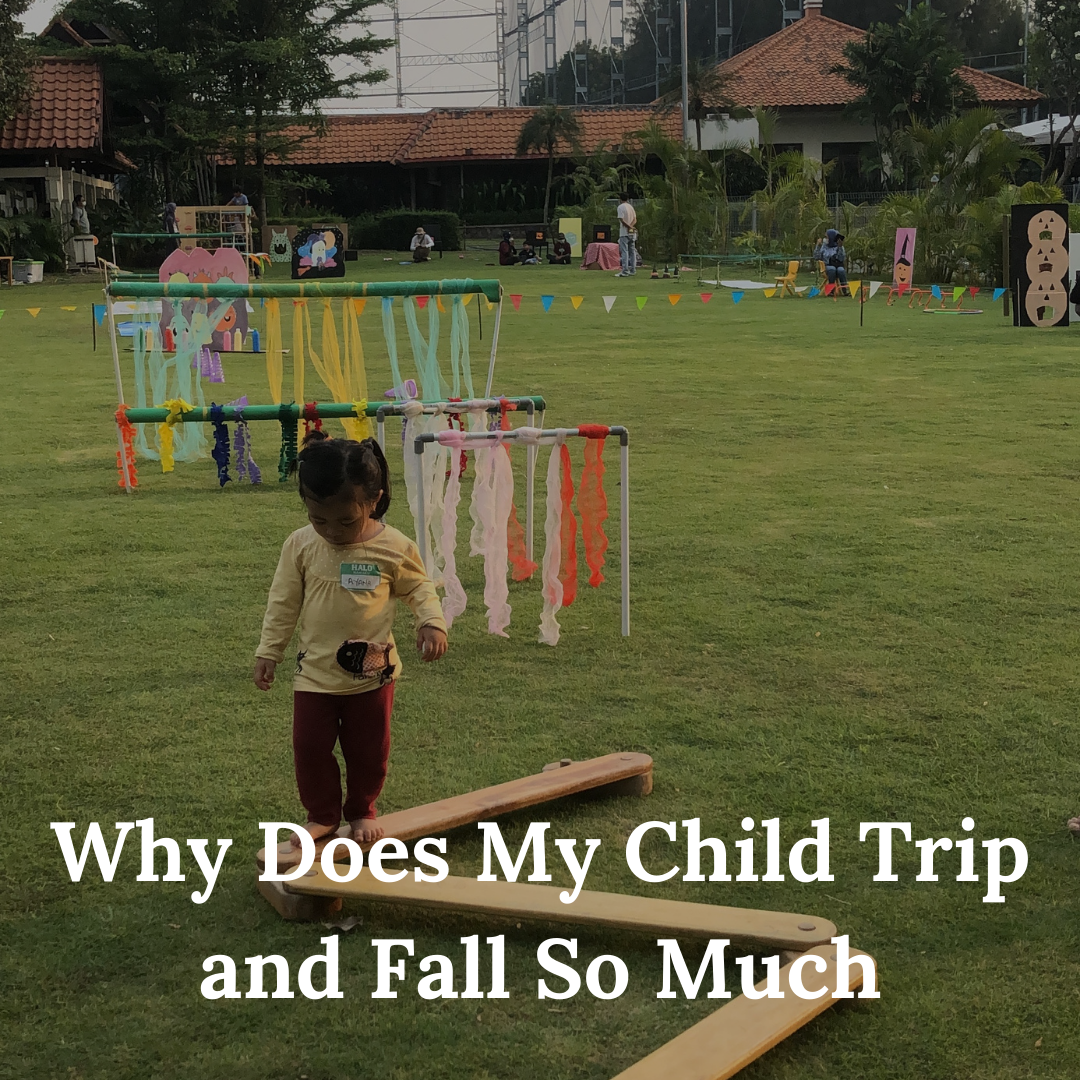
Why Does My Child Trip and Fall So Much
Many parents begin to worry when they notice their child frequently tripping, stumbling, or falling during everyday activities. While occasional falls are a normal part of childhood, repeated balance problems often lead parents to ask the question: why does my child trip and fall so much?
Walking, running, and maintaining balance require coordination between the brain, nervous system, muscles, and joints. When one part of this system is still developing, children may experience challenges with coordination and stability.
Understanding why your child trips and falls so much can help parents determine whether these falls are simply part of normal development or whether additional support may help improve balance and movement.
How Coordination Affects Why Children Trip and Fall
One reason parents ask why does my child trip and fall so much is related to coordination development. Children’s brains are constantly learning how to control movement as they grow.
The nervous system must send signals from the brain to the muscles that control walking and balance. When this communication is still developing, children may misjudge distances, move too quickly, or struggle to control their steps.
Because coordination improves gradually, some children appear more unsteady than others during certain stages of development.
Growth Spurts Can Affect Balance
Another factor that may explain why a child trips and falls so much is rapid growth. During growth spurts, a child’s height and limb length can change quickly.
When the body grows rapidly, the brain must adjust to a new sense of body position and movement. During this adjustment period, children may temporarily experience reduced coordination.
This is one reason why some kids seem more clumsy during certain stages of growth.
Muscle Strength and Posture
Posture and muscle strength can also influence why your child trips and falls so much. When the muscles that support posture and balance are still developing, it can be harder for children to stabilize their body while moving.
Children who frequently lean forward, slouch, or have difficulty maintaining upright posture may struggle with balance. Because posture affects the body’s center of gravity, it can play a role in coordination during walking and running.
Encouraging strong posture and regular movement can help support better stability.
The Role of the Nervous System in Balance
When parents ask why does my child trip and fall so much, they may not realize how important the nervous system is for balance.
The nervous system receives information from the eyes, inner ear, muscles, and joints to determine how the body is positioned. It then sends signals that help the muscles make small adjustments to maintain balance.
If communication between the brain and body is still developing, children may appear unsteady or trip more often during movement.
Supporting healthy nervous system function plays a key role in developing coordination and balance.
When Parents Should Pay Attention to Frequent Falls
While many falls are normal during childhood, parents often begin asking why their child trips and falls so much when the pattern continues over time.
Some children may struggle to keep up with peers during running or sports activities. Others may frequently bump into objects, trip on flat surfaces, or appear hesitant when walking on uneven ground.
When these patterns persist, it may be helpful to evaluate how the child’s body is moving and whether posture or coordination challenges are contributing to the problem.
Helping Children Improve Balance and Coordination
Encouraging movement and physical activity can help children develop stronger balance and coordination. Activities such as climbing, running, jumping, and balancing on playground equipment help strengthen the muscles and coordination needed for stability.
Outdoor play is especially beneficial because it challenges children to adapt to different surfaces and environments.
As children gain more experience with movement, their coordination and confidence often improve.
How Chiropractic Care May Help
Chiropractic care focuses on supporting healthy spinal movement and proper nervous system communication. Because coordination and balance rely on communication between the brain and body, spinal health can influence movement patterns.
Families sometimes explore chiropractic care when they are asking why their child trips and falls so much or when coordination challenges continue beyond normal developmental stages.
Supporting healthy spinal movement may help children develop better posture, balance, and coordination.
Supporting Families in Traverse City
At Third Coast Chiropractic, we work with many families who have questions about their child’s posture, balance, and movement development.
Understanding why your child trips and falls so much can help parents support healthy coordination and encourage stronger movement patterns.
If your child frequently struggles with balance or falls more often than expected, evaluating posture and spinal health may help support better movement and stability.