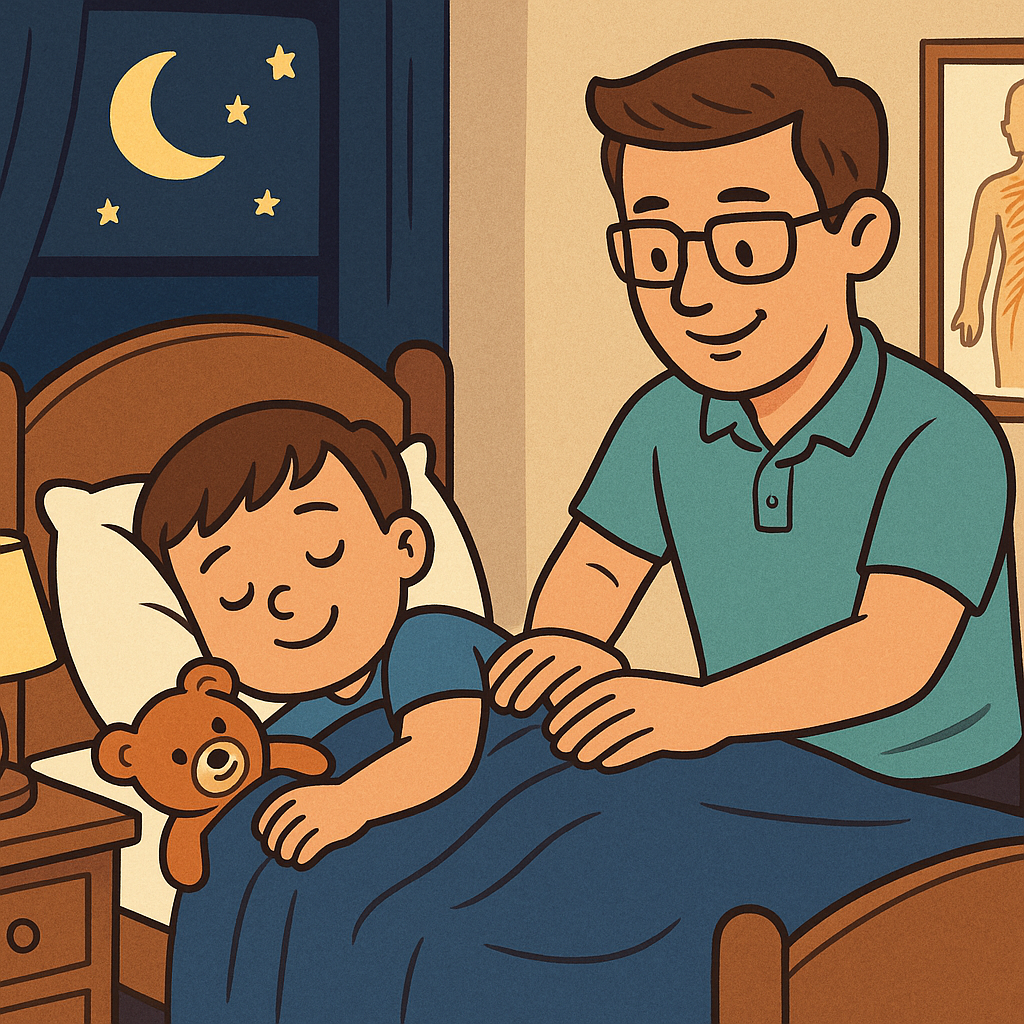
Children, Sleep, and the Nervous System: The Chiropractic Connection
Sleep isn’t just a pause in the day, it’s a fundamental process for children’s growth, healing, learning, and emotional well-being. When children get good, restorative sleep, their bodies release growth hormones, their brains consolidate memories, their immune systems strengthen, and their moods are more stable. But when sleep is poor, whether due to trouble falling asleep, night waking up constantly, or restless sleep, it can ripple out into behavior, school performance, physical health, and emotional balance.
Chiropractic care isn’t always the first thing parents think of when it comes to better sleep, but its role in supporting the nervous system can be a significant part of the solution. Let’s explore how sleep, the nervous system, and chiropractic care connect, and look at evidence showing improvements in children’s sleep when chiropractic support is added.
Why Sleep Is Essential for Children
Brain development & learning: During sleep, especially deep sleep stages, the brain consolidates memories, forms connections, and prunes unused neural pathways. This is crucial for children learning new skills, coping, and retaining information.
Physical growth & tissue repair: Growth hormone is more active during sleep, helping repair cells, build tissues, and support overall physical development.
Immune health: Inadequate sleep impairs immune function, making kids more susceptible to infections.
Behavior, mood & regulation: Kids who don’t get enough good sleep may struggle with attention, impulsivity, irritability, or emotional regulation.
How the Nervous System Impacts Sleep
The nervous system (both autonomic and central) regulates many of the processes that make sleep possible:
The autonomic nervous system controls the balance between “fight or flight” (sympathetic) and “rest and digest” (parasympathetic) states. If a child’s nervous system is stuck in sympathetic dominance (stress, hyperarousal), it can be hard to wind down at night.
Signals from the brain to the body (via spinal cord and peripheral nerves) help regulate hormone release (melatonin, cortisol), temperature, breathing, etc. Disruptions here can lead to restless or interrupted sleep.
Sensorimotor integration (how the body processes inputs from muscles, joints, skin) also plays a role. If sensory input is dysregulated, children may experience discomfort, restlessness, or insomnia-like symptoms.
How Chiropractic Care Can Help
Chiropractic care aims to support the spine, joints, and surrounding tissues so that the nervous system can function more optimally. For children, this often means:
Addressing spinal misalignments or joint dysfunction
Gentle adjustments can reduce interference in nerve signalling, improving how the brain communicates with the body.Promoting nervous system regulation
Helping the body shift from “on alert” to more parasympathetic (rest and digest) states. This can lead to calmer evenings, easier transitions to sleep, deeper & more sustained sleep.Improving overall wellness
When the nervous system is working more smoothly, other systems (immune, digestive, mood regulation) often benefit. Less stress on the body = fewer disruptions that impair sleep (pain, digestive discomfort, etc.).Supportive environment & habits
Chiropractic care often goes hand-in-hand with recommendations about bedtime routines, screen time, nutrition, etc., which together improve sleep outcomes.
Research Evidence:
Here are some key studies that link chiropractic care with better sleep outcomes in children:
A pilot study of 117 infants at a teaching chiropractic clinic in Bournemouth, England, asked parents to rate their children’s sleep behaviors (total hours of sleep, quality, how long to settle) at the 1st, 4th, and 7th visit. Over that short course of chiropractic care, there were significant improvements in how long it took infants to fall asleep, the depth and quality of sleep, and fewer interruptions. Watkins Family Chiropractic
A 2025 retrospective review of school-aged children reported that after chiropractic care, children had improvements in sleep, behavior, motor control, and concentration. ScienceDirect
A study called “Neuroplastic Responses to Chiropractic Care” (2024) found that, over 4 weeks, participants receiving chiropractic adjustments showed significant improvements in light sleep stage (less fragmentation) and overall quality of life. While this particular study was not solely children-only, it adds evidence to how adjustments can change sleep architecture and support nervous system function. PMC
These studies don’t conclusively prove cause and effect in every case, but they offer growing evidence that chiropractic care can help in many sleep-related scenarios.
Tips for Parents: Nervous System Health
Here are some practical things parents can do (alongside or before/during chiropractic care) to support better sleep:
Keep a consistent bedtime schedule, even on weekends.
Create calming bedtime routines (reading, low lights, minimal screen time).
Make the sleep environment cool, dark, and quiet.
Encourage physical activity during the day (but avoid strenuous activity close to bedtime).
Monitor diet (especially avoid sugar/caffeine in late afternoon/evening).
Work with a chiropractor experienced in pediatric care, gentle techniques, understanding of developmental norms.
Conclusion
Healthy sleep isn’t optional, it’s foundational for children’s well-being. When sleep struggles arise, they affect more than just the night; they can impact growth, learning, immune health, mood, and long-term development. Supporting the nervous system via chiropractic care offers a gentle, non-pharmaceutical pathway to help children sleep more soundly. Combined with good sleep hygiene and a supportive home environment, it can set the stage for deeper rest, better days, and resilient health.