How Seasonal Stress Affects the Nervous System
As the holidays approach, life tends to speed up. Schedules get tighter, families prepare for travel, to-do lists grow, and the pressures of planning, hosting, shopping, and juggling responsibilities can leave the body feeling overwhelmed long before December even begins.
This time of year creates what many people call “pre-holiday stress.” That rising tension and mental load in November that seems to hit before the celebrations even start. While most people expect seasonal stress in December, few realize that the nervous system often feels the strain weeks beforehand.
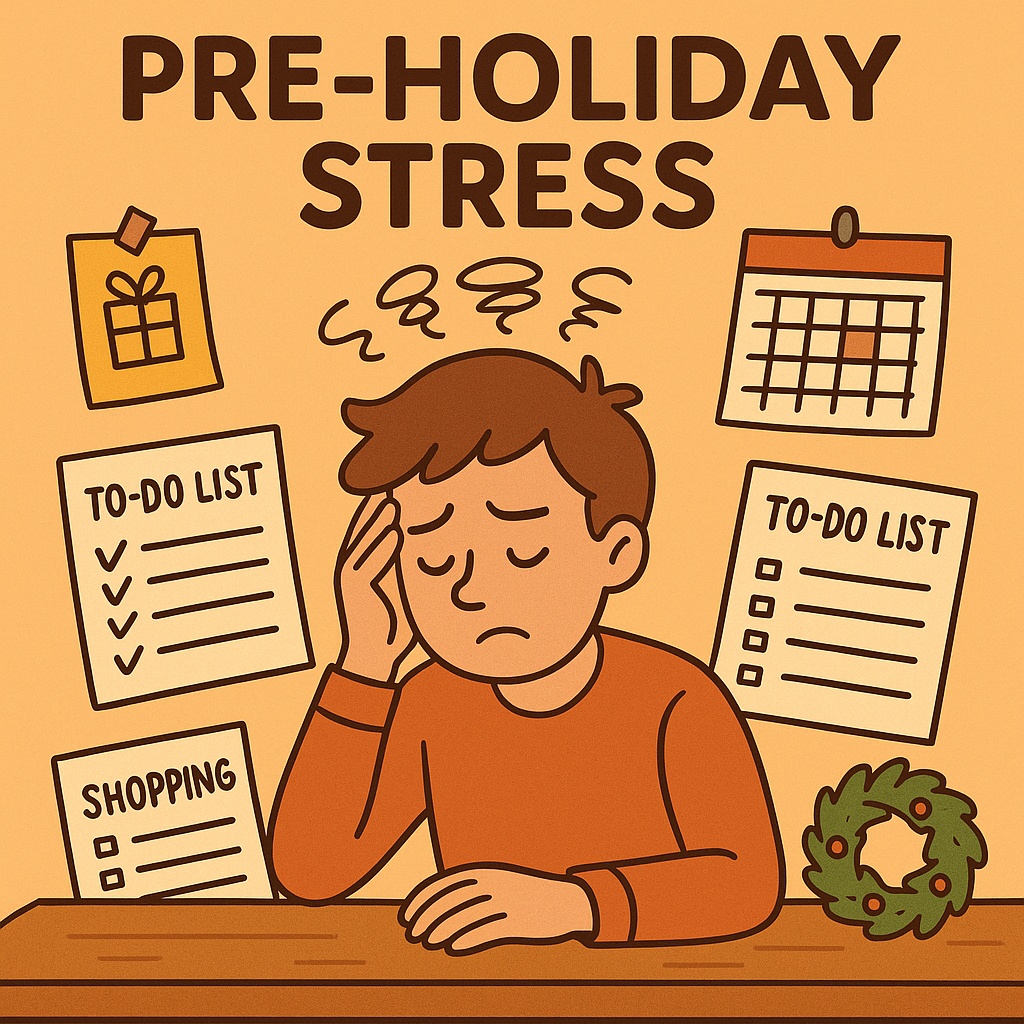
When the nervous system is overwhelmed, the body begins to show it. Often through headaches, tight muscles, digestive issues, poor sleep, irritability, and anxiety. The good news? By supporting your nervous system, you can help your body adapt more easily to the seasonal stress. Your ability to handle stress better, and avoid burning out before the season even begins will allow you to handle whatever comes your way.
Why Pre-Holiday Stress Happens
The jump from fall to the holiday season is surprisingly demanding on the body. You may notice:
More time sitting (planning, computer work, travel prep)
More decisions (schedules, meals, events, budgets)
More emotional load (family expectations, social obligations)
Disrupted routines (sleep, movement, eating habits)
Even positive anticipation can create stress when combined with increased responsibilities.
What many don’t realize is that these changes place extra pressure on the autonomic nervous system — the system responsible for regulating stress, mood, digestion, hormones, and energy.
How Stress Affects the Nervous System
Your nervous system has two primary modes; sympathetic (fight or flight) or parasympathetic (rest or digest). Both have their role in maintaining the body and both can be bad if in those states for prolong periods of time. However, in a society plagued by stressors that are harmful to our nervous system, we can all agree rest and digest sound like a way better state to be in.
Sympathetic (“Fight or Flight”)
Activated during: rushing, planning, overthinking, overwhelm, tension, deadlines.
When stuck here, people experience:
Tight shoulders and neck
Headaches
Jaw clenching
Irritability or anxiety
Upset stomach
Trouble sleeping
Faster breathing or heart rate
Parasympathetic (“Rest and Digest”)
Activated during: calm, connection, proper digestion, restorative sleep, recovery.
This is where your body heals, digests, and recharges.
Pre-holiday stress pushes many people into extended sympathetic overdrive, making even small tasks feel heavier.
The Chiropractic Connection
Chiropractic doesn’t “treat stress,” but it does help improve how the nervous system adapts to seasonal stress caused by traveling, sleeping in unfamiliar beds, and the mental toll family can take on you. Whether or not you love your family, stress is real and affects everyone even if they don’t think it does.
Here’s how:
1. Reducing physical tension
Stress often manifests physically, especially in the neck, shoulders, low back, and jaw.
Spinal misalignments and restricted movement amplify tension, making stress feel worse.
2. Supporting the autonomic nervous system
Gentle chiropractic adjustments help shift the body toward a more balanced, restorative state.
Many patients notice:
Better sleep
Calmer breathing
Fewer headaches
Improved mental clarity
Enhanced ability to handle their day
3. Improving mobility and circulation
When joints move properly, oxygen, blood flow, and muscle function improve. Helping the body carry tension more effectively.
4. Helping you stay ahead of the holiday rush
When your nervous system is regulated, your body is better equipped to:
Stay patient
Make decisions clearly
Keep digestion regular
Prevent stress-related headaches
Feel emotionally grounded
This makes November the perfect time for chiropractic care. Long before the true holiday rush hits.
What the Research Says
Studies show:
The autonomic nervous system responds to spinal adjustments, often shifting toward parasympathetic (rest and digest) activity.
Chiropractic care has been associated with improvements in sleep quality, mood, and stress resilience.
Physical tension patterns in the neck and upper back are closely tied to stress perception and headaches.
While chiropractic is not a treatment for anxiety or depression, research supports its role in helping the body manage physical stress and recover more efficiently. All these stressors can be amplified from the holiday seasonal stressors. This is why it is important to mange all these stressors ahead of time not when
Practical Tips to Ease Pre-Holiday Stress
Along with chiropractic care, you can help your nervous system by:
1. Choosing one non-negotiable daily routine
A walk, a stretch, a devotional, or deep breathing. Something small and grounding.
2. Planning for rest, not just events
Block off “buffer days” between commitments.
3. Keeping blood sugar steady
Pre-holiday treats + stress can equal big crashes without consistent meals.
4. Getting sunlight early in the day
Helps regulate hormones and circadian rhythms as the days shorten.
5. Staying hydrated
Even mild dehydration increases stress perception.
6. Prioritizing sleep
It’s the first thing people sacrifice and the main thing the nervous system needs
Conclusion
Pre-holiday stress is real, but you don’t have to enter the season overwhelmed and depleted. By supporting your nervous system now, before the rush, your body can adapt better, sleep better, digest better, and stay grounded through the busiest months of the year.
If you want to feel more balanced this season, chiropractic care can be a powerful addition to your fall routine.
📞 Call Third Coast Chiropractic at 231-354-2600
and step into the holiday season feeling centered, calm, and resilient.