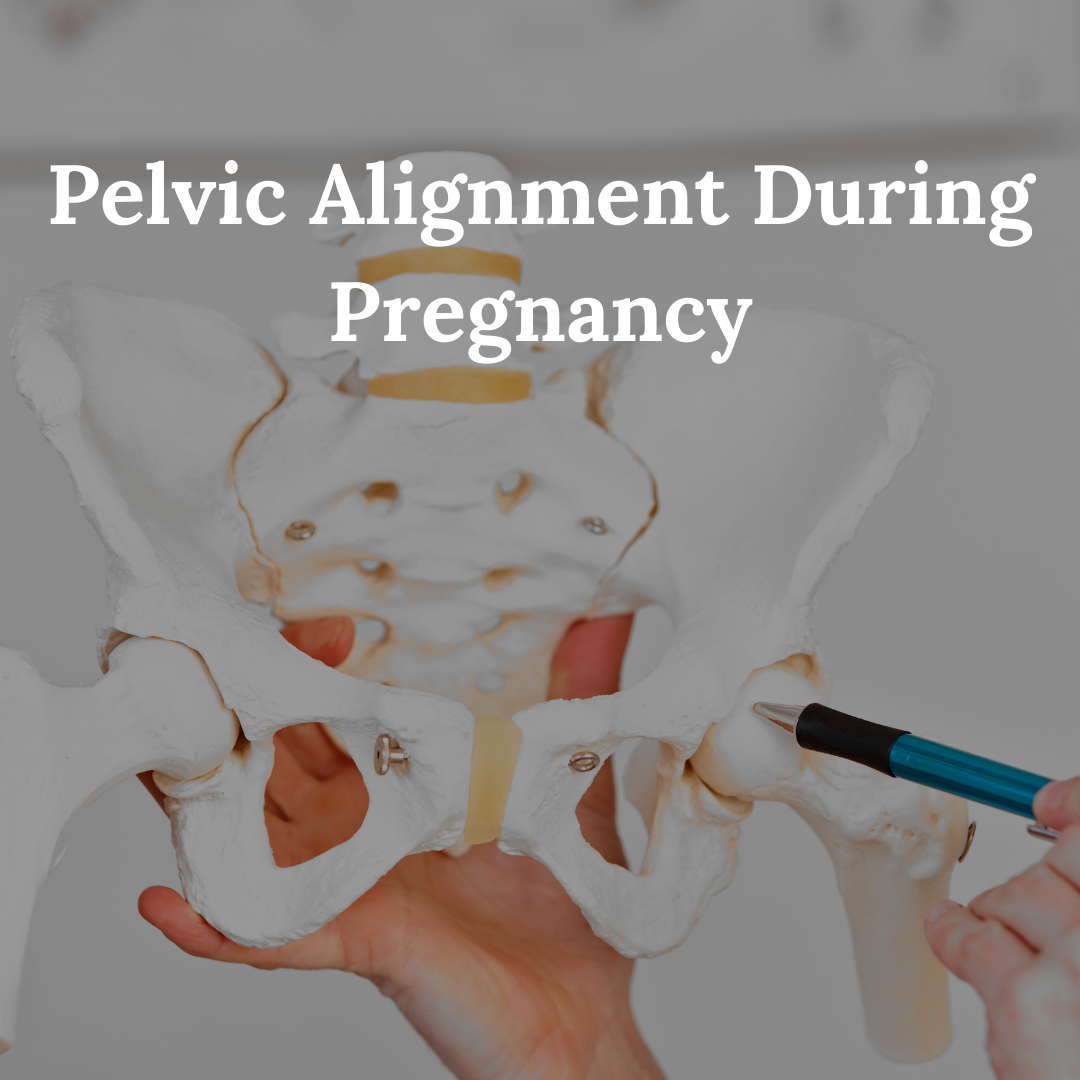
Pelvic Alignment During Pregnancy
Pelvic alignment during pregnancy plays an important role in comfort, posture, and mobility. As the body changes to support a growing baby, the pelvis must adapt to shifting weight, ligament flexibility, and altered movement patterns.
When pelvic alignment becomes uneven, discomfort may increase and daily activities can become more challenging. Understanding how pelvic alignment works during pregnancy helps expecting mothers make informed decisions about supportive care.
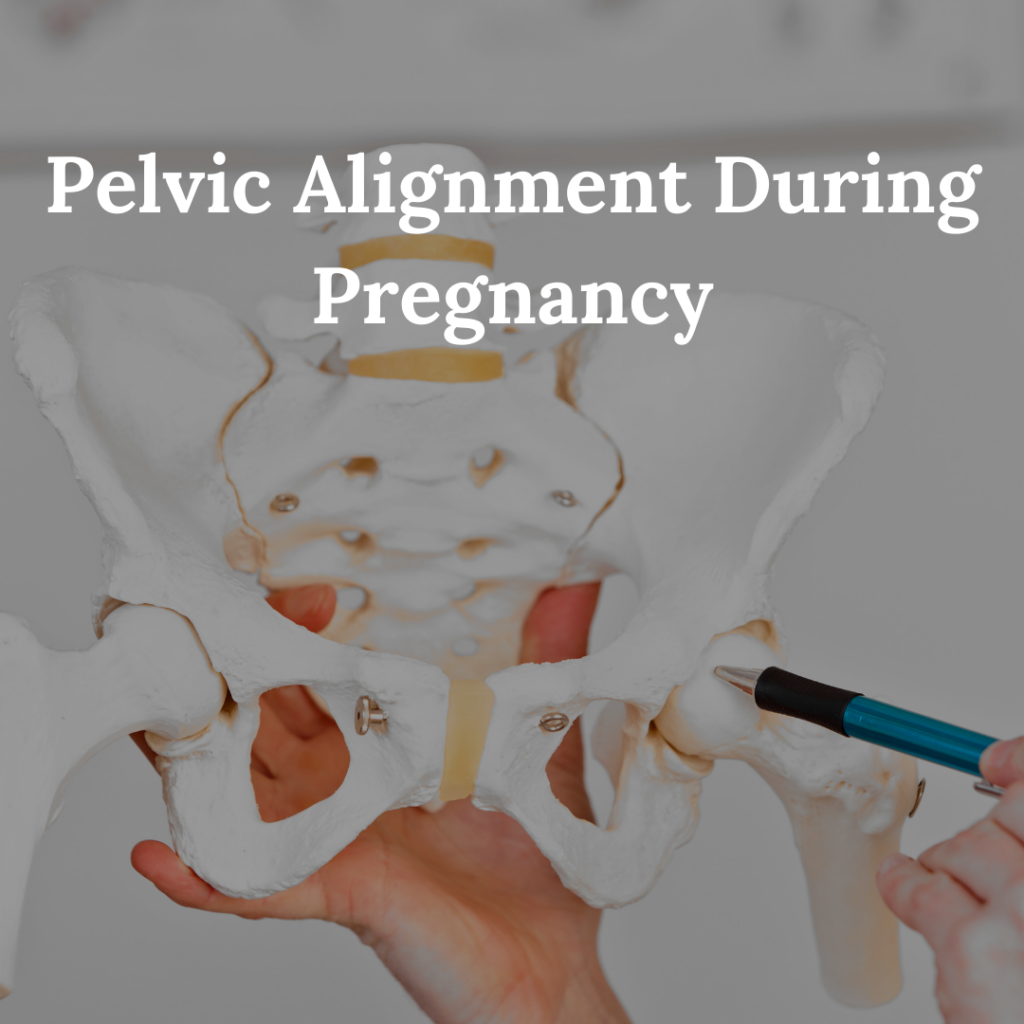
Why the Pelvis Changes During Pregnancy
Pregnancy hormones increase ligament flexibility throughout the body, including the pelvis. This flexibility is necessary to prepare for delivery, but it can also reduce joint stability.
As the abdomen grows and the center of gravity shifts forward, additional stress is placed on the lower spine and pelvic joints. These combined changes can influence pelvic alignment and movement.
Signs of Pelvic Imbalance During Pregnancy
Pelvic imbalance during pregnancy may present in different ways.
Some mothers experience lower back pain, hip discomfort, pelvic pressure, or uneven tension on one side of the body. Others notice changes in walking patterns or difficulty standing for long periods.
While these symptoms are common, they may indicate that pelvic biomechanics are under increased stress.
How Pelvic Alignment Affects Comfort and Mobility
Balanced pelvic alignment supports smoother movement and reduced strain on surrounding muscles and ligaments.
When the pelvis moves evenly, weight distribution improves and tension patterns decrease. When imbalance occurs, surrounding structures may compensate, increasing discomfort.
Supporting pelvic alignment helps the body adapt more efficiently to pregnancy changes.
How Chiropractic Care Supports Pelvic Alignment
Chiropractic care during pregnancy focuses on improving pelvic biomechanics and spinal mobility.
Gentle prenatal adjustments are designed to reduce uneven tension and support balanced movement in the pelvis. By improving how the sacrum and surrounding joints move, chiropractic care helps decrease mechanical stress.
Care is adapted to each stage of pregnancy to ensure comfort and safety.
The Role of the Webster Technique in Pelvic Alignment
The Webster Technique is a specialized chiropractic analysis and adjustment focused on neuro biomechanical function of the sacrum and pelvis.
During pregnancy, this technique supports balanced pelvic mechanics and reduces tension patterns in surrounding ligaments and muscles. It does not directly treat the baby, but instead focuses on optimizing maternal pelvic alignment.
Many expecting mothers seek care from chiropractors trained in the Webster Technique for additional confidence in prenatal care.
Pelvic Alignment and Preparation for Birth
Balanced pelvic alignment may support comfort and mobility as pregnancy progresses.
While chiropractic care does not control birth outcomes, maintaining balanced pelvic mechanics can help the body function more efficiently as delivery approaches.
Supporting pelvic alignment is one way to encourage smoother adaptation throughout pregnancy.
Lorem ipsum dolor sit amet, consectetur adipiscing elit. Ut elit tellus, luctus nec ullamcorper mattis, pulvinar dapibus leo.
When to Address Pelvic Alignment During Pregnancy
It may be helpful to seek evaluation if pelvic discomfort is persistent, one sided, or affecting daily movement.
Some mothers begin care early for preventative support, while others seek care once symptoms appear. Early assessment allows for a more proactive approach to pelvic balance.
Final Thoughts on Pelvic Alignment During Pregnancy
Pelvic alignment during pregnancy is influenced by posture changes, ligament flexibility, and shifting weight distribution.
Supporting pelvic biomechanics through gentle chiropractic care and specialized techniques such as the Webster Technique can help reduce discomfort and improve mobility. With proper support, the body can adapt more comfortably throughout pregnancy.