Pelvic Pain During Pregnancy
Pelvic pain during pregnancy is a common concern for many expecting mothers. As the body changes to support a growing baby, the pelvis must adapt to new demands related to posture, movement, and stability. When this adaptation is strained, discomfort can develop.
Understanding why pelvic pain occurs during pregnancy can help moms feel more confident in finding the right type of support.
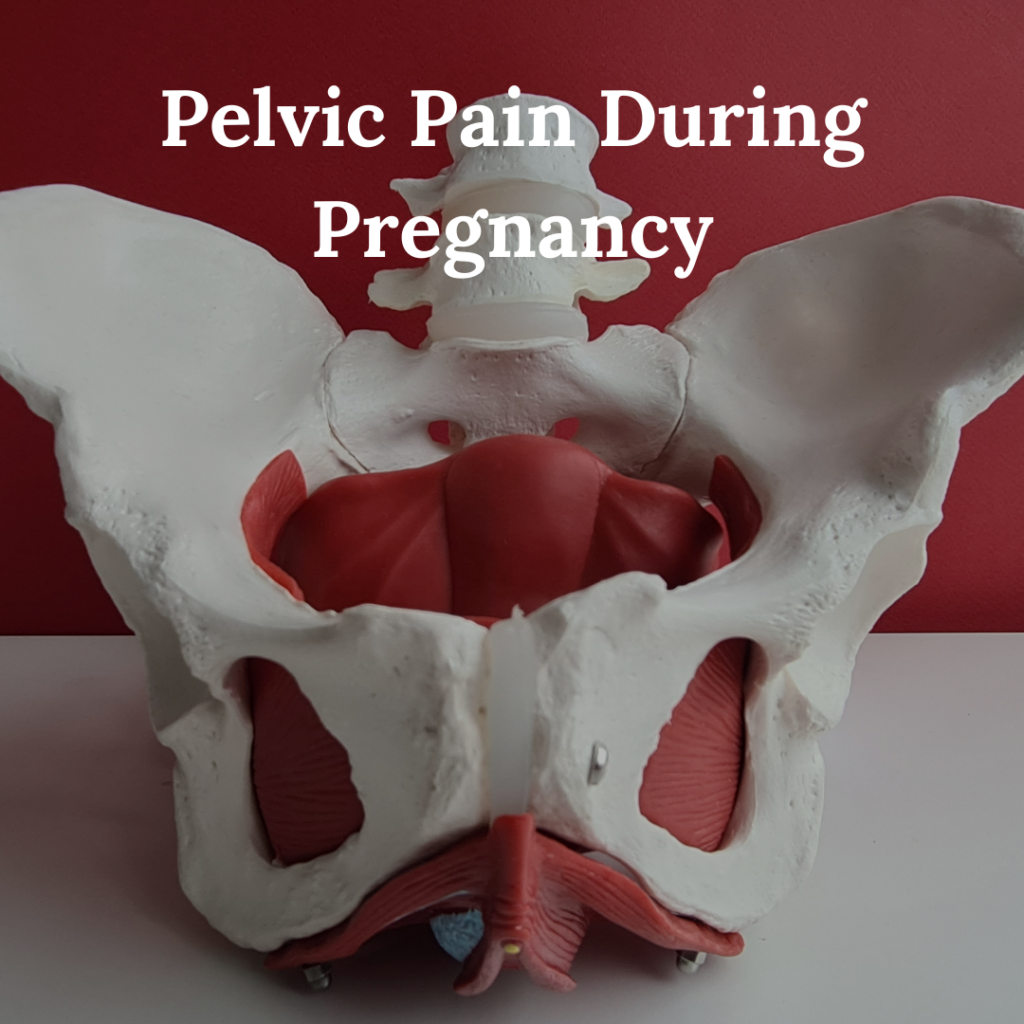
Why Pelvic Pain Occurs During Pregnancy
Pelvic pain during pregnancy is rarely caused by one single factor. It often develops from a combination of physical, muscular, and postural changes.
Common contributors include:
Poor Muscle Control Prior to Pregnancy
Before pregnancy, many people already have imbalances in core and pelvic muscle control. These imbalances may not cause noticeable symptoms until pregnancy places additional demand on the pelvis and surrounding structures.
As pregnancy progresses, these underlying weaknesses can become more apparent and contribute to pelvic discomfort.
Postural Changes During Pregnancy
As the belly grows, posture naturally shifts. The center of gravity moves forward, which can increase stress on the pelvis, lower back, and hips.
Poor posture or difficulty adapting to these changes can place uneven pressure on the pelvic joints and muscles, leading to pain or instability.
Being on Your Feet Frequently
Standing or walking for long periods during pregnancy can increase stress on the pelvis, especially when combined with postural changes and muscle fatigue.
Moms who are on their feet often may notice pelvic pain that worsens throughout the day as muscles tire and stability decreases.
Hormonal Changes and Joint Stability
Pregnancy hormones affect ligaments throughout the body, including those that support the pelvis. Increased ligament flexibility is normal and necessary, but it can also reduce joint stability.
When stability decreases, muscles must work harder to compensate, which can contribute to pelvic discomfort.
How Chiropractic Care Can Help
Chiropractic care during pregnancy focuses on supporting posture, movement, and nervous system function as the body adapts.
Pregnancy chiropractic care may help by:
Supporting balanced pelvic and spinal movement
Improving posture and biomechanics
Reducing stress on the nervous system
Helping the body adapt more efficiently to physical changes
Chiropractors trained in prenatal care use gentle and specific techniques that are adapted to each stage of pregnancy. Many offices also use pregnancy specific pillows that allow moms to remain comfortable during care.
By improving how the pelvis and spine move together, chiropractic care can help reduce uneven stress placed on the pelvic floor.
The Role of Pelvic Floor Physical Therapy
Pelvic floor physical therapy is another important option for moms experiencing pelvic pain during pregnancy.
Therapists focus on:
Improving muscle coordination and control
Supporting pelvic stability
Addressing muscle tension or weakness
Teaching movement and posture strategies
Pelvic floor therapy is especially helpful when pelvic pain is closely tied to muscle control or coordination challenges.
Combining Supportive Care Options
Many moms find the best relief by combining supportive approaches. Chiropractic care and pelvic floor therapy often complement one another by addressing both joint mechanics and muscle function.
Each pregnancy is different, and care should be tailored to the individual rather than following a one size fits all approach.
When to Seek Support for Pelvic Pain
Pelvic pain during pregnancy should not be ignored, especially if it:
Interferes with walking or daily movement
Worsens as pregnancy progresses
Affects sleep or daily comfort
Early support can help prevent pelvic discomfort from becoming more limiting later in pregnancy.
Final Thoughts on Pelvic Pain During Pregnancy
Pelvic pain during pregnancy is common, but it does not mean something is wrong. It is often a sign that the body is adapting to new demands placed on posture, muscle control, and joint stability.
Understanding why pelvic pain occurs and exploring supportive options such as chiropractic care and pelvic floor therapy can help moms feel more comfortable and supported throughout pregnancy.