Trampoline Injuries in Kids
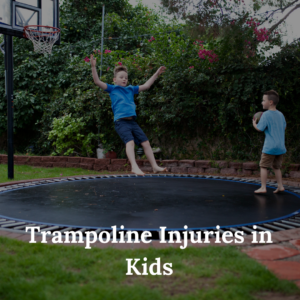
Trampolines are one of the most popular summer activities for children, while also being one of the most common injuries in kids. From backyard play to trampoline parks, kids spend hours jumping, flipping, and bouncing throughout the warmer months.
While trampolines can be fun and active, they also place significant stress on growing bodies. This is why many parents begin researching trampoline injuries in kids after noticing soreness, awkward falls, or recurring discomfort following trampoline use.
Because trampolines involve repeated impact, sudden direction changes, and unpredictable movement, children can place stress on joints and muscles even without a major accident occurring.
Why Trampolines Are Hard on Growing Bodies
Jumping repeatedly creates force throughout the entire body.
Each landing sends impact through the:
- ankles
- knees
- hips
- spine
- neck
Children are still developing balance, coordination, and body control, which means their movement patterns may not always absorb force efficiently.
As fatigue increases, landing mechanics often become less controlled, increasing the likelihood of awkward movement or injury.
Ankle and Knee Injuries
Lower-body injuries are among the most common trampoline injuries in kids.
Children frequently land unevenly while jumping, especially when multiple kids are on the trampoline at once. Sudden twisting or awkward landings can place stress on the ankles and knees.
Parents may notice:
- limping after jumping
- swelling
- stiffness
- soreness with running or walking
Even mild sprains can affect balance and coordination if movement patterns are not fully restored afterward.
Neck and Back Strain
The spine absorbs repeated compression during jumping activities.
Children may develop tightness or soreness in the:
- lower back
- upper back
- neck
This becomes more common after prolonged trampoline use or repeated jumping sessions during summer months.
Flips and awkward falls can also increase stress on the spine and surrounding muscles, even if symptoms do not appear immediately afterward.
Falls and Sudden Impact
Many trampoline-related injuries happen during unexpected collisions or falls.
Children may:
- collide with each other
- land awkwardly
- fall off the trampoline
- lose control during flips
Because kids often continue playing despite minor soreness, parents sometimes do not notice the effects until later when stiffness or discomfort begins developing.
Even smaller impacts may influence movement and coordination afterward.
Growth Spurts and Coordination Changes
Rapid growth can make trampoline activity even more challenging for children.
During growth spurts, balance and coordination temporarily change while the body adapts to new movement patterns. This can increase the likelihood of awkward landings and instability during jumping activities.
Children may appear:
- more clumsy
- less balanced
- slower reacting during movement
These changes are common during active developmental stages.
Fatigue and Repetitive Stress
Long periods of jumping place repeated stress on muscles and joints.
As fatigue builds, the body becomes less efficient at controlling movement and absorbing impact. This may increase strain on growing areas of the body during extended trampoline sessions.
Children who combine trampolines with sports camps, swimming, and other summer activities may experience even more physical stress throughout the season.
The Nervous System and Coordination
The nervous system plays an important role in balance, posture, and reaction speed.
Efficient communication between the brain and body allows children to move with better coordination and body control. When movement becomes less controlled, the body may absorb force less efficiently during jumping and landing.
Supporting healthy movement patterns may help children move more confidently during active play.
How Chiropractic Care May Help Active Kids
Chiropractic care focuses on supporting healthy movement, joint mobility, and nervous system communication.
Many families explore chiropractic care after their child experiences soreness, stiffness, or movement changes following trampoline activity.
For active children, chiropractic care may help:
- improve mobility
- reduce tension
- support balance and coordination
- encourage healthier movement patterns
Helping the body move efficiently may support better comfort and recovery during active summer months.
Supporting Families in Traverse City
At Third Coast Chiropractic, we work with many active kids throughout Traverse City during the busy summer season.
Trampolines, sports, camps, and outdoor activities can place significant stress on growing bodies throughout the summer months.
Supporting mobility, recovery, and movement quality may help children stay active, comfortable, and confident all season long.