Is My Child's Backpack Too Heavy?
Is my child’s backpack too heavy? It’s one of the most common questions parents ask as back-to-school season approaches. Between textbooks, laptops, water bottles, lunch boxes, and sports equipment, backpacks can become surprisingly heavy before the first bell even rings.
While backpacks are part of everyday school life, carrying too much weight can place unnecessary stress on a growing child’s body. Understanding how a backpack affects posture, muscles, and the spine can help parents make small changes that support healthier movement throughout the school year.
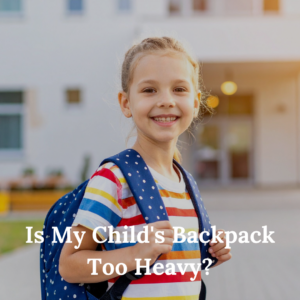
Is My Child's Backpack Too Heavy? Here's What Experts Recommend
If you’ve been wondering, “Is my child’s backpack too heavy?”, you’re not alone. Organizations such as the American Academy of Pediatrics generally recommend that a child’s backpack weigh no more than 10–15% of their body weight. While every child is different, consistently carrying more than this can increase strain on the neck, shoulders, and back.
For example:
- A 60-pound child should ideally carry no more than 6–9 pounds.
- An 80-pound child should carry approximately 8–12 pounds.
- A 100-pound child should keep their backpack around 10–15 pounds.
Backpacks aren’t always overloaded because of textbooks alone. Water bottles, electronics, gym clothes, binders, and lunch containers all add up quickly.
Signs Your Child's Backpack May Be Too Heavy
Children don’t always tell parents when something hurts. Instead, they often change how they move to compensate for the extra weight.
You may notice your child:
- leaning forward while walking
- complaining of shoulder or back pain
- rubbing their neck after school
- developing headaches
- struggling to put the backpack on
- wanting to carry it with only one shoulder strap
These changes may indicate that the backpack is placing more stress on their body than it should.
How Heavy Backpacks Affect Posture
A heavy backpack changes the body’s center of gravity.
To keep from falling backward, children often lean forward or round their shoulders while walking. Over time, this altered posture can create extra tension throughout the neck, upper back, shoulders, and lower back.
Because kids carry their backpacks every school day, even small posture changes repeated over weeks or months may contribute to ongoing discomfort.
Developing healthy backpack habits early can help support better posture throughout the school year.
Packing a Backpack the Right Way
The way a backpack is packed is just as important as how much it weighs.
Heavier items should be placed closest to the child’s back rather than toward the outside of the bag. This helps distribute weight more evenly and reduces unnecessary pulling on the shoulders.
Parents can also encourage children to clean out unnecessary items each week. It’s surprising how many backpacks collect extra notebooks, toys, old papers, and supplies that add weight without anyone noticing.
Small adjustments can make a noticeable difference over an entire school year.
Choosing the Right Backpack
Not every backpack provides the same level of support.
When shopping for a new backpack, look for features such as:
- two wide, padded shoulder straps
- adjustable straps
- multiple compartments
- a padded back panel
- a size that fits your child’s frame
Encourage your child to wear both shoulder straps whenever possible. Carrying a backpack over one shoulder may seem convenient, but it can create uneven stress across the spine and surrounding muscles.
The Nervous System and Healthy Movement
The nervous system plays an important role in posture, balance, coordination, and muscle control.
When a child consistently carries a backpack that is too heavy, the body often adapts by changing movement patterns and posture. Over time, those changes may increase tension in the muscles and joints that support the spine.
Supporting healthy movement and proper posture allows children to move more efficiently both in the classroom and during after-school activities.
How Chiropractic Care May Help
Chiropractic care focuses on supporting healthy spinal movement and proper nervous system communication.
As children transition back into school routines, many families choose chiropractic care to help address stiffness, improve mobility, and encourage healthy posture. When combined with proper backpack habits, regular movement, and an active lifestyle, chiropractic care may help children stay comfortable throughout the school year.
Supporting Students in Traverse City
At Third Coast Chiropractic, we enjoy helping families prepare for a healthy school year.
Backpacks are only one part of the picture. Good posture, regular movement, quality sleep, and healthy habits all contribute to how children feel in the classroom and on the playing field.
If you’ve been asking yourself, “Is my child’s backpack too heavy?”, making a few simple changes today may help your child stay more comfortable throughout the school year.