Why Is My Pelvis Hurting in the Third Trimester?
Why is my pelvis hurting in the third trimester? It’s one of the more common questions expectant mothers ask as they approach their due date. Many moms notice a new type of discomfort that feels different from the aches they experienced earlier in pregnancy. Pain may develop in the front of the pelvis, around the hips, near the pubic bone, or even deep in the lower back. It often becomes more noticeable when walking, rolling over in bed, climbing stairs, or standing on one leg.
It’s no surprise that many women begin asking, why is my pelvis hurting in the third trimester?
Although pelvic discomfort is common during late pregnancy, that doesn’t mean you simply have to live with it. Understanding why these changes occur can help you find ways to stay more comfortable while preparing your body for labor and delivery.
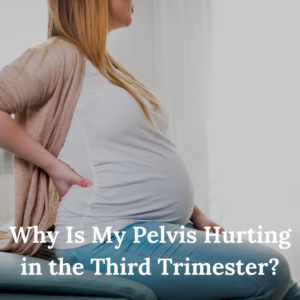
Why Pelvic Pain Becomes More Common Late in Pregnancy
During the third trimester, your body is supporting a rapidly growing baby while preparing for birth.
Your center of gravity shifts forward, your abdominal muscles continue stretching, and your pelvis begins adapting to make room for delivery. These normal changes place additional stress on the muscles, ligaments, and joints that support your pelvis.
As your baby’s position changes during the final weeks of pregnancy, it’s common to notice discomfort becoming more frequent during everyday activities.
Hormones Help Prepare the Body for Birth
One of the biggest reasons pelvic discomfort increases is because of hormonal changes.
Throughout pregnancy, hormones help soften ligaments and increase joint mobility to prepare for labor. While these changes are completely normal, they can also make the pelvis feel less stable than usual.
Some moms notice discomfort when:
- walking
- getting out of the car
- turning over in bed
- standing after sitting
- climbing stairs
These movements often place uneven pressure on the pelvis during late pregnancy.
Baby's Position Can Influence Comfort
As your baby continues growing, their position may change how pressure is distributed throughout your pelvis.
Some babies settle lower into the pelvis weeks before labor, while others remain higher until delivery approaches. Either position can change how your muscles and joints work together throughout the day.
This is one reason pelvic discomfort often changes from week to week rather than staying exactly the same.
Muscle Imbalances Can Add Extra Stress
Pregnancy changes how your entire body moves.
As your posture adapts to a growing belly, some muscles become overworked while others become weaker. The hips, lower back, pelvic floor, and abdominal muscles all work together to support your body during pregnancy.
When one area begins compensating for another, additional stress may be placed on the pelvis.
Supporting healthy movement throughout pregnancy may help reduce unnecessary strain during daily activities.
Staying Active Can Make a Difference
Many moms worry that activity will make pelvic discomfort worse, but appropriate movement is often beneficial.
Walking, gentle stretching, prenatal exercises, and changing positions throughout the day may help reduce stiffness and improve mobility.
Listening to your body is important. If an activity significantly increases pain, it’s worth discussing it with your healthcare provider.
Small movement breaks throughout the day can often feel better than remaining in one position for long periods.
The Nervous System's Role During Pregnancy
The nervous system coordinates muscle function, posture, balance, and movement throughout pregnancy.
As your body changes, efficient communication between the brain and body helps you adapt to new movement demands.
When joints become restricted or muscles remain under constant tension, everyday activities may begin feeling more difficult.
Supporting healthy nervous system function may help your body move more comfortably during the final weeks of pregnancy.
How Chiropractic Care May Help During the Third Trimester
Chiropractic care focuses on supporting healthy spinal and pelvic movement while promoting proper nervous system communication.
Many expectant mothers seek chiropractic care during the third trimester to help improve comfort as their body prepares for labor. Gentle pregnancy-specific techniques are designed to address movement restrictions while accommodating the changing needs of pregnancy.
At Third Coast Chiropractic, we also utilize the Webster Technique, a chiropractic analysis and adjustment approach that focuses on improving movement and balance within the pelvis. Many pregnant women choose this technique to support comfort and optimal pelvic function during pregnancy.
Supporting Expectant Mothers in Traverse City
At Third Coast Chiropractic, we enjoy caring for women throughout every stage of pregnancy.
The third trimester brings exciting anticipation, but it also places unique demands on your body. Our goal is to help expectant mothers stay as comfortable and active as possible while preparing for labor and delivery.
If pelvic discomfort is making everyday activities more difficult, a pregnancy-focused chiropractic evaluation may help determine whether movement restrictions are contributing to your symptoms.