Why Does My Child Keep Rolling Their Ankle?
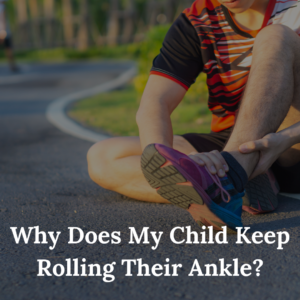
Many parents notice their child repeatedly twisting or rolling their ankle during sports, running, or everyday activity. At first it may seem minor, but when it continues happening, it often raises concern. This leads many families to ask: why does my child keep rolling their ankle?
Ankle injuries are extremely common in active kids, especially during sports seasons filled with jumping, cutting, sprinting, and quick direction changes. Repeated ankle rolling can affect confidence, balance, and athletic performance if the underlying issue is never addressed.
Understanding what contributes to repeated ankle instability can help support healthier movement and reduce the chance of future injury.
Why Ankles Roll Repeatedly in Active Kids
Children rely heavily on ankle stability during sports and play. Every time they run, pivot, or land from a jump, the ankle must react quickly to keep the body balanced.
When parents wonder why does my child keep rolling their ankle, it is often because the ankle has become less stable after a previous injury or because movement patterns are placing extra stress on the joint.
Even mild sprains can affect how the ankle responds during activity. If the area does not fully recover strength and coordination, the risk of reinjury can increase.
Weakness and Balance Problems
One common reason kids continue experiencing ankle issues is decreased balance and stability.
The muscles surrounding the ankle help control movement and protect the joint during activity. If these muscles become weak or stop responding efficiently after an injury, the ankle may feel unstable during sports.
Parents may notice:
- frequent stumbling
- awkward landings
- hesitation during activity
- repeated twisting injuries
These signs often point toward reduced stability and coordination.
Growth Spurts and Coordination Changes
Rapid growth can also affect how children move.
As kids grow taller, their balance and coordination temporarily change while the body adapts. During these periods, movement may become less controlled, especially during sports involving speed and agility.
This is another reason parents begin asking why their child continues having ankle problems despite otherwise being healthy and active.
Growing bodies constantly adjust to new movement patterns, and sometimes the ankles absorb extra stress during that process.
Sports That Increase Ankle Stress
Certain activities naturally place more strain on the ankles than others.
Sports such as:
- soccer
- basketball
- volleyball
- football
- gymnastics
- trail running
all involve rapid direction changes and uneven force through the feet and ankles.
Children participating in multiple sports or year-round athletics may experience repeated stress without enough recovery time.
Over time, this can contribute to recurring ankle instability.
Mobility and Movement Patterns
Limited mobility in the feet, hips, or lower legs can also change how force travels through the ankle.
If one area of the body is not moving efficiently, another area often compensates. This compensation may increase pressure on the ankle joint during running and jumping.
Movement patterns matter more than many people realize. Poor landing mechanics or uneven posture can increase the likelihood of repeated ankle rolling.
The Nervous System and Joint Stability
The nervous system helps control balance, coordination, and reaction speed.
Healthy communication between the brain, muscles, and joints allows the body to react quickly during movement. If coordination is not functioning efficiently, the ankle may not stabilize properly during activity.
This is why repeated ankle injuries are often connected not only to strength, but also to how the body controls movement as a whole.
Supporting better movement patterns may help improve athletic stability and confidence.
How Chiropractic Care May Help
Chiropractic care focuses on supporting healthy joint motion, movement patterns, and nervous system communication.
Many parents explore chiropractic care after noticing repeated ankle injuries or ongoing instability during sports. Improving mobility and reducing tension throughout the body may help children move more efficiently during activity.
For active kids and athletes, supporting balance and coordination may help reduce unnecessary stress on the ankles.
Supporting Young Athletes in Traverse City
At Third Coast Chiropractic, we work with many young athletes dealing with recurring sports injuries and movement challenges.
Repeated ankle rolling can affect confidence, comfort, and long-term performance if left unaddressed. Evaluating movement patterns, posture, and joint mobility may help support healthier recovery and athletic performance.
Helping active kids move well now can support stronger, more confident movement throughout future sports seasons.