Why Is My Child Always Anxious
Many parents notice their child worrying more than expected, reacting strongly to situations, or seeming constantly on edge. These patterns can be difficult to understand and often lead parents to ask: why is my child always anxious?
Anxiety in children can show up in many different ways. Some children may become clingy, avoid certain situations, or struggle with transitions. Others may have trouble sleeping, focusing, or calming down after becoming upset.
Understanding why your child is always anxious can help you better support their emotional well-being and overall development.
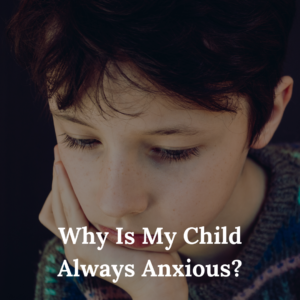
Why Is My Child Always Anxious?
When parents ask why is my child always anxious, they are often noticing patterns such as frequent worry, fear, or difficulty relaxing.
Some children may feel overwhelmed in new situations, while others may struggle with everyday activities that once felt easy. These reactions are often connected to how the child processes stress and responds to their environment.
Anxiety is not just about behavior. It is often a reflection of how the body and nervous system are functioning.
How Anxiety Shows Up in Kids
Understanding why your child is always anxious includes recognizing how anxiety can appear in daily life.
Children may express anxiety through physical and emotional signs. Some may complain of stomach aches or headaches, while others may become irritable or withdrawn.
Parents asking why is my child always anxious may also notice:
- trouble sleeping
- difficulty focusing
- frequent emotional outbursts
- resistance to new situations
These signs often indicate that the child is struggling to regulate stress.
The Role of the Nervous System
The nervous system plays a major role in how children respond to stress.
When parents ask why is my child always anxious, it is often connected to how their child’s nervous system is functioning.
A well-regulated nervous system helps a child feel calm, safe, and adaptable. When the system is under stress, it can become more reactive, making the child feel constantly on edge.
This can make it harder for the child to relax, even in situations that are not truly threatening.
Overstimulation and Daily Stress
Another important factor in understanding why your child is always anxious is overstimulation.
Children are constantly exposed to sensory input, schedules, and social demands. When this becomes too much, it can overwhelm their system.
Parents who are asking why is my child always anxious may notice that their child struggles more after busy days, changes in routine, or extended periods of activity.
Giving children time to rest and reset can help reduce these effects.
Sleep and Emotional Regulation
Sleep plays a key role in emotional health.
When children do not get enough restful sleep, it can make it harder for them to manage stress and regulate emotions. This is another reason parents begin asking why is my child always anxious.
Poor sleep can lead to increased sensitivity, irritability, and difficulty coping with everyday challenges.
Supporting better sleep habits can help improve emotional balance.
How Chiropractic Care May Help
Chiropractic care focuses on supporting healthy spinal movement and proper nervous system communication. Because the nervous system plays a central role in stress and emotional regulation, supporting its function may help children feel calmer and more balanced.
Many parents explore chiropractic care when they are trying to understand why their child is always anxious and want to support their child naturally.
By helping reduce tension and support nervous system balance, chiropractic care may help improve a child’s ability to handle stress and feel more at ease.
Supporting Families in Traverse City
At Third Coast Chiropractic, we work with many families who are navigating challenges related to anxiety, behavior, and emotional regulation.
Understanding why your child is always anxious can help you take steps to support a calmer, more confident child.
If your child frequently feels anxious or overwhelmed, evaluating spinal movement and nervous system function may help support better regulation and overall well-being.