Why Does My Child Have Frequent Meltdowns
Many parents feel overwhelmed when their child has frequent emotional outbursts. These moments can seem unpredictable, intense, and difficult to manage, often leaving parents wondering: why does my child have frequent meltdowns?
Meltdowns can happen at any age, but when they occur often, it can feel like something deeper is going on. While behavior is what we see on the surface, it is often connected to how a child is feeling, processing, and responding to the world around them.
Understanding why your child has frequent meltdowns can help you better support their emotional regulation and overall well-being.
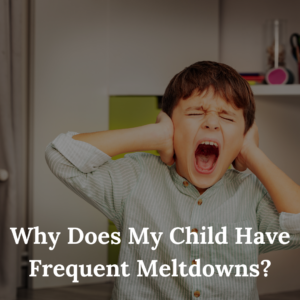
Why Does My Child Have Frequent Meltdowns?
When parents ask why does my child have frequent meltdowns, they are often noticing patterns such as sudden crying, frustration, anger, or difficulty calming down.
These reactions can happen during transitions, when a child is told no, or even during everyday routines. While this can feel behavioral, it is often a response to how the child’s body and nervous system are handling stress.
Meltdowns are often a sign that a child is overwhelmed and struggling to regulate their response.
Emotional Regulation and Development
One of the most common reasons a child has frequent meltdowns is related to emotional development.
Young children are still learning how to process emotions and express them appropriately. When emotions become too intense, they may not have the tools to manage them effectively.
Parents who ask why does my child have frequent meltdowns are often seeing this stage of development, where emotions can quickly become overwhelming.
With support, children gradually develop better regulation skills.
Overstimulation and Sensory Input
Another important factor in understanding why your child has frequent meltdowns is overstimulation.
Children are constantly processing sensory input from their environment, including noise, light, activity, and social interaction. When this input becomes too much, it can overwhelm their system.
This can lead to meltdowns, especially if the child does not have enough time to rest or reset.
Parents may notice meltdowns happen more often in busy environments or after long days.
The Role of the Nervous System
The nervous system plays a major role in how children respond to stress and regulate their emotions.
When parents ask why does my child have frequent meltdowns, it is often connected to how their child’s nervous system is functioning.
A well-regulated nervous system helps a child stay calm, adapt to changes, and recover from stress. If the system is overwhelmed or under stress, it can make it harder for the child to manage their reactions.
This is why meltdowns can sometimes feel intense and difficult to control.
Sleep, Stress, and Daily Patterns
Daily habits can also influence a child’s behavior.
Lack of sleep, inconsistent routines, or ongoing stress can make it harder for a child to regulate their emotions. When the body is already tired or overwhelmed, even small challenges can lead to bigger reactions.
Parents who are asking why does my child have frequent meltdowns may notice that behavior worsens when their child is tired, hungry, or overstimulated.
Recognizing these patterns can help reduce triggers.
How Chiropractic Care May Help
Chiropractic care focuses on supporting healthy spinal movement and proper nervous system communication. Because the nervous system plays a key role in emotional regulation, supporting its function may help children better handle stress.
Many parents explore chiropractic care when they are trying to understand why their child has frequent meltdowns and want to support better regulation naturally.
By helping reduce tension and support nervous system balance, chiropractic care may help children feel calmer and more adaptable.
Supporting Families in Traverse City
At Third Coast Chiropractic, we work with many families who are navigating challenges related to behavior, focus, and emotional regulation.
Understanding why your child has frequent meltdowns can help you take steps to support calmer, more balanced behavior.
If your child is experiencing frequent meltdowns, evaluating spinal movement and nervous system function may help support better regulation and overall well-being.