Baby Hates Car Seat
Many parents feel frustrated and concerned when their baby cries every time they are placed in a car seat. What should be a simple trip can quickly become stressful, leading parents to ask: why does my baby hate the car seat?
It can be difficult to understand why a baby becomes so upset in the car seat, especially when everything appears to be set up correctly. In many cases, there are underlying reasons related to comfort, positioning, or how a baby’s body responds to the environment.
Understanding why your baby hates the car seat can help you better support their comfort and make travel easier for both you and your baby.
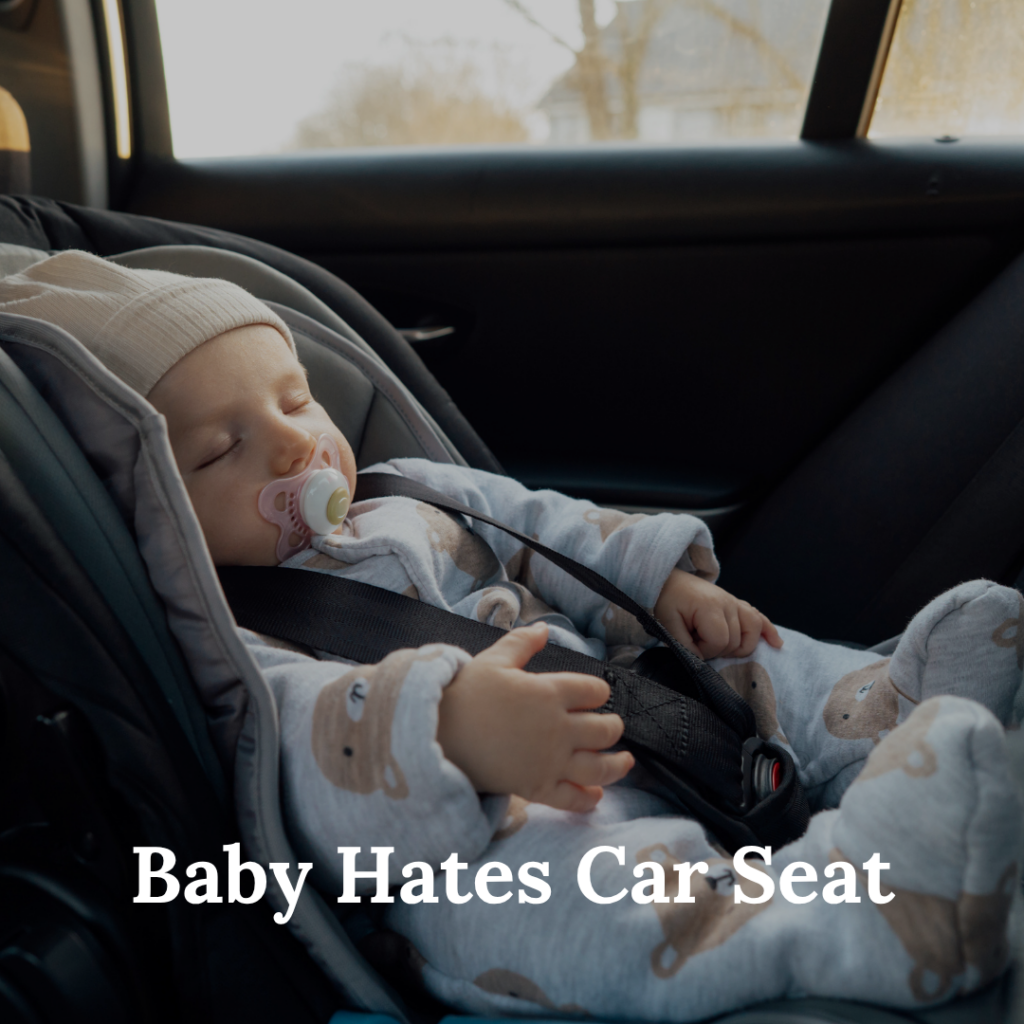
Why Does My Baby Hate the Car Seat?
When parents ask why does my baby hate the car seat, they are often noticing consistent crying or discomfort as soon as their baby is placed in it.
Some babies may settle after a few minutes, while others remain upset throughout the entire ride. This reaction is often tied to how the baby feels physically when positioned in the seat.
Because babies cannot communicate discomfort verbally, crying becomes their way of expressing that something does not feel right.
Positioning and Body Comfort
One of the most common reasons a baby hates the car seat is positioning.
Car seats place babies in a semi-reclined position that may put pressure on the lower back, hips, or neck. For some babies, especially those with tension in their body, this position can feel uncomfortable.
When parents ask why does my baby hate the car seat, it is often because their baby is reacting to this physical discomfort.
Even small amounts of tension in the spine or muscles can make certain positions more difficult for a baby to tolerate.
Tension in the Neck and Spine
Another important factor in understanding why your baby hates the car seat is tension in the neck and spine.
Babies who have tightness from birth or early positioning may struggle in positions where they cannot move freely. The car seat limits movement, which can make existing tension more noticeable.
This is especially common in babies who also:
- prefer one side
- struggle with head turning
- dislike tummy time
These patterns often connect back to how the body is functioning and adapting.
Overstimulation and Nervous System Response
For some babies, the issue is not just physical comfort but also how their nervous system responds to the environment.
When parents ask why does my baby hate the car seat, it may be related to overstimulation. Movement, noise, and visual input during a car ride can sometimes overwhelm a baby’s nervous system.
When the nervous system becomes overstimulated, babies may respond with crying, tension, or difficulty calming down.
Helping the nervous system regulate can play a role in improving how babies respond to situations like car rides.
Patterns That May Be Connected
Parents often begin asking why does my baby hate the car seat after noticing similar patterns in other situations.
Some babies who dislike the car seat may also:
- struggle to settle
- prefer being held constantly
- wake frequently
- become fussy when placed on their back
These patterns may indicate that the baby is experiencing discomfort or difficulty regulating certain positions.
Recognizing these connections can help guide parents toward supportive solutions.
How Chiropractic Care May Help
Chiropractic care focuses on supporting healthy spinal movement and proper nervous system communication. Gentle adjustments for infants are designed to help reduce tension and support more comfortable movement.
Many parents explore chiropractic care when they are trying to understand why their baby hates the car seat and want to improve their baby’s comfort.
By helping reduce tension in the body, chiropractic care may help babies tolerate positions like the car seat more comfortably.
Supporting Families in Traverse City
At Third Coast Chiropractic, we work with many families who are navigating common challenges like car seat discomfort.
Understanding why your baby hates the car seat can help you take steps to support better comfort and calmer experiences during travel.
If your baby consistently struggles in the car seat, evaluating spinal movement and nervous system function may help support more relaxed and comfortable movement.