Why Do My Hips Hurt During Pregnancy?
Many women experience hip pain at some point during pregnancy. For some, the discomfort starts early, while others notice it more in the second or third trimester. When this pain begins, many moms find themselves asking the question: why do my hips hurt during pregnancy?
As the body changes to support a growing baby, the hips, pelvis, and surrounding muscles take on additional stress. These changes are a natural part of pregnancy, but they can sometimes lead to discomfort or tension.
Understanding why your hips hurt during pregnancy can help you support your body and find ways to stay comfortable throughout each stage of pregnancy.
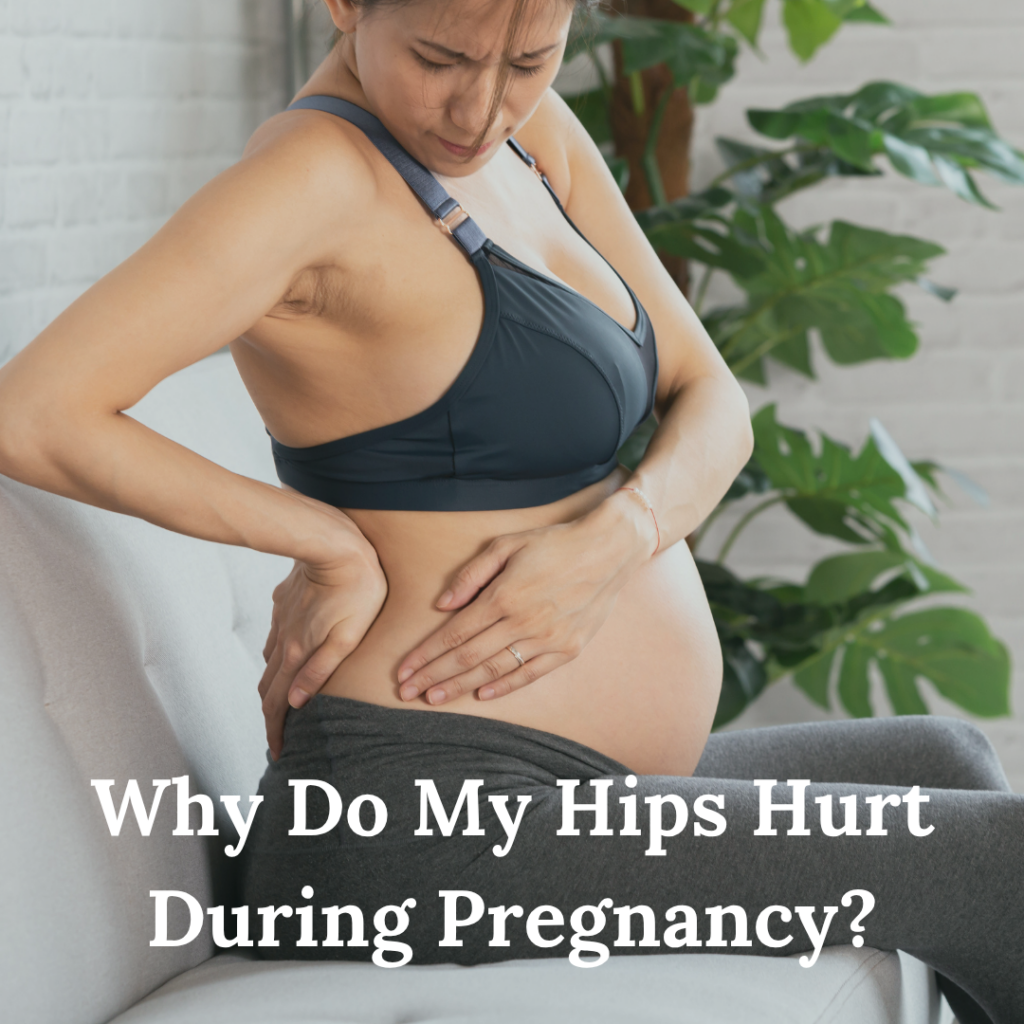
Changes in the Pelvis During Pregnancy
One of the most common reasons women ask why do my hips hurt during pregnancy is due to changes in the pelvis. As the body prepares for childbirth, the pelvis begins to shift and adapt.
The joints in the pelvis are designed to move slightly during pregnancy to allow for delivery. As these joints begin to loosen and shift, it can place additional stress on the hips and surrounding muscles.
Because of this, many women experience soreness or pressure in the hips as their pregnancy progresses.
Hormonal Changes and Joint Stability
Hormones also play a significant role in why your hips hurt during pregnancy. The body releases a hormone called relaxin, which helps loosen ligaments and joints.
While this process is important for preparing the body for birth, it can also reduce stability in the hips and pelvis. As stability decreases, the muscles surrounding the hips may work harder to support the body.
This added strain can contribute to the discomfort many women feel in their hips during pregnancy.
Sleeping Positions and Hip Pain
Many women begin asking why do my hips hurt during pregnancy when they notice discomfort while trying to sleep.
Side sleeping is often recommended during pregnancy, but staying in one position for long periods can place pressure on the hips. This pressure may lead to soreness, especially if the muscles and joints are already under stress.
Using supportive pillows and adjusting sleep positions can help reduce some of the pressure placed on the hips during rest.
Posture and Daily Movement
Posture is another important factor in understanding why your hips hurt during pregnancy. As the baby grows, the body’s center of gravity shifts forward.
To compensate, many women adjust their posture, which can place additional stress on the hips and lower back. Standing for long periods, walking, or carrying uneven weight can also contribute to hip discomfort.
Being mindful of posture and movement throughout the day can help reduce unnecessary strain on the hips.
The Role of the Nervous System
The nervous system helps coordinate how muscles and joints function together. Because the spine protects the nerves that communicate with the body, spinal health can influence how the hips and pelvis move.
When tension develops in the spine or surrounding muscles, it can affect how the hips handle stress during pregnancy. This is one reason many women explore ways to support both spinal and pelvic health when experiencing discomfort.
How Chiropractic Care May Help Hip Pain During Pregnancy
Chiropractic care focuses on supporting healthy spinal and pelvic movement while promoting proper nervous system communication. During pregnancy, gentle chiropractic adjustments are designed to help reduce tension and improve mobility in the hips and pelvis.
Many women explore chiropractic care when they begin asking why their hips hurt during pregnancy and are looking for natural ways to stay comfortable.
Supporting proper alignment and movement may help reduce pressure on the hips and improve overall comfort throughout pregnancy.
Supporting Pregnancy Comfort in Traverse City
At Third Coast Chiropractic, we work with many expecting mothers who want to stay active and comfortable throughout pregnancy.
Understanding why your hips hurt during pregnancy can help you take steps to support healthy movement, posture, and spinal function as your body changes.
If you are experiencing persistent hip pain during pregnancy, evaluating spinal and pelvic health may help support greater comfort during this important time.