Why Does My Child Have Frequent Meltdowns
If your child seems to have frequent meltdowns over small things, you’re not alone. Many parents find themselves wondering why their child suddenly shifts from calm to overwhelmed so quickly.
Meltdowns can happen at home, in school, during reading time, or even during simple daily routines. While occasional emotional outbursts are normal for kids, frequent or intense meltdowns may signal that a child’s nervous system is struggling to regulate stress.
Understanding the possible causes can help parents better support their child.
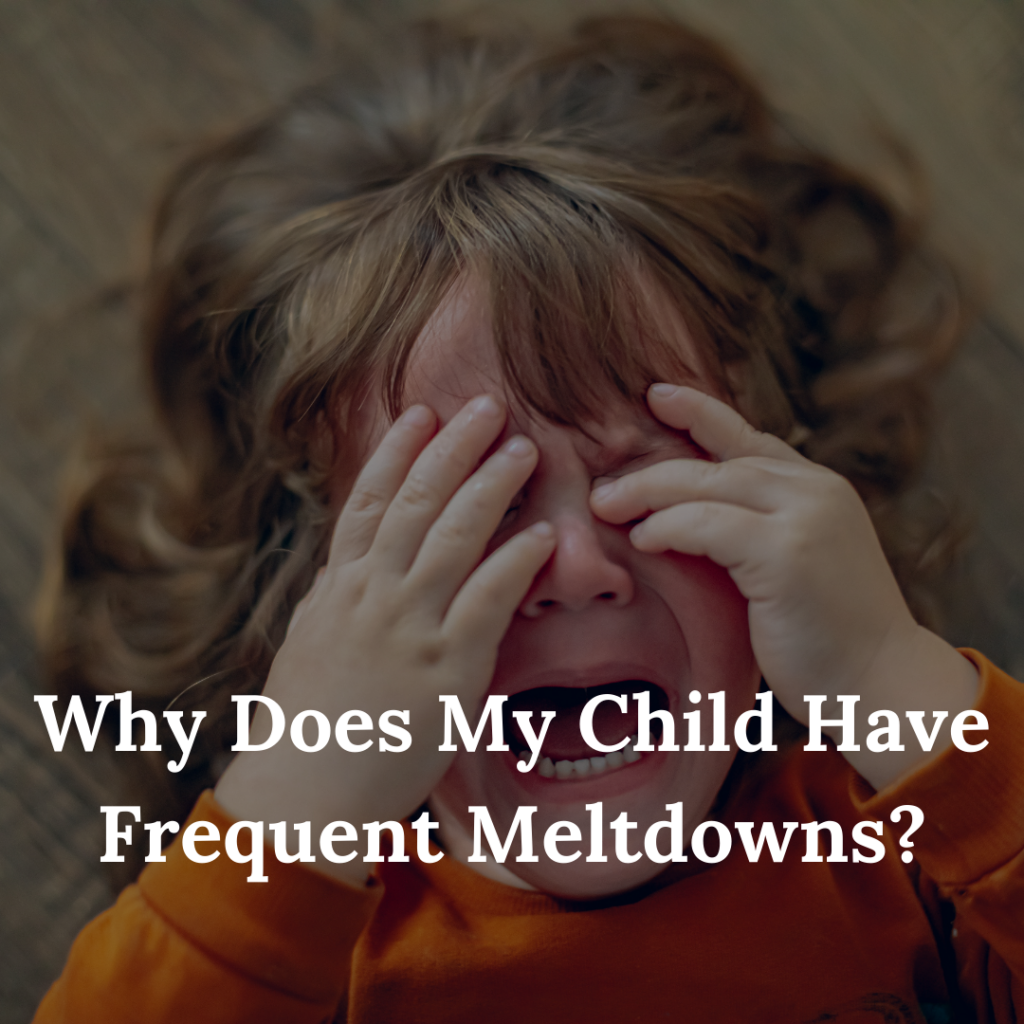
What Is a Meltdown?
A meltdown is different from typical misbehavior or a tantrum.
Tantrums often happen when a child wants something and is trying to get their way.
A meltdown, however, usually happens when a child becomes emotionally or neurologically overwhelmed and simply cannot regulate their reaction.
Common signs include:
Crying or screaming suddenly
Difficulty calming down
Becoming physically tense or rigid
Covering ears or withdrawing
Extreme frustration over small problems
Many parents describe it as their child going from “0 to 100” very quickly.
An Overstimulated Nervous System
Children today experience more stimulation than ever before:
Fast-paced media
Busy school schedules
Sports and extracurricular activities
Loud environments
When the nervous system becomes overloaded, kids may struggle to process everything happening around them.
This can cause emotional regulation to break down, leading to m
Poor Sleep
Sleep plays a huge role in emotional control.
Kids who don’t get enough deep, restorative sleep often experience:
Increased irritability
Lower frustration tolerance
Difficulty calming down
Bigger emotional reactions
Many parents notice meltdowns become more frequent when their child is tired.
Sensory Overload
Some children are more sensitive to sensory input such as:
Loud noises
Bright lights
Crowded environments
Certain clothing textures
When too much sensory information enters the nervous system at once, a child may feel overwhelmed and respond emotionally.
Stress in the Body
Physical stress can also affect emotional regulation.
Children experience physical stress from things like:
Falls while learning to walk
Sports injuries
Poor posture while reading or using screens
Heavy backpacks
These stresses can affect the communication between the brain and body through the nervous system.
How the Nervous System Affects Emotional Regulation
The nervous system controls how the body responds to stress.
When it is functioning well, children can:
Calm themselves down more easily
Handle frustration better
Adapt to new situations
But when the nervous system becomes overwhelmed or irritated, children may have difficulty regulating their emotional responses.
This is why many parents begin exploring ways to support their child’s nervous system health.
Signs Your Child May Be Struggling With Nervous System Stress
Some children with frequent meltdowns may also show signs like:
Trouble focusing
Restless sleep
Sensitivity to noise or light
Difficulty sitting still
Frequent headaches or stomach aches
While these signs don’t automatically indicate a serious issue, they can suggest the nervous system may need support.
Supporting Kids Who Have Frequent Meltdowns
Parents can often help improve emotional regulation with simple lifestyle strategies.
Helpful approaches include:
Consistent sleep routines
Limiting overstimulating screen time
Providing quiet spaces for calm breaks
Encouraging outdoor play and movement
Supporting healthy posture during reading and screen use
Some families also explore ways to support nervous system function more directly.
Chiropractic Care and the Nervous System
Chiropractic care focuses on the relationship between the spine and the nervous system.
When the spine moves well and the nervous system can communicate properly with the brain and body, children may be better able to regulate stress and emotions.
Parents often report improvements such as:
Fewer emotional meltdowns
Better sleep
Improved focus
Calmer behavior
Helping Families in Traverse City
At Third Coast Chiropractic, we work with many families who are searching for natural ways to help their children feel calmer, sleep better, and handle daily stress more easily.
If your child experiences frequent meltdowns and you’re looking for answers, evaluating how the nervous system is functioning may be an important step.
Supporting the nervous system can sometimes help children feel more balanced, focused, and emotionally regulated as they grow.