Proper Reading Posture for Kids
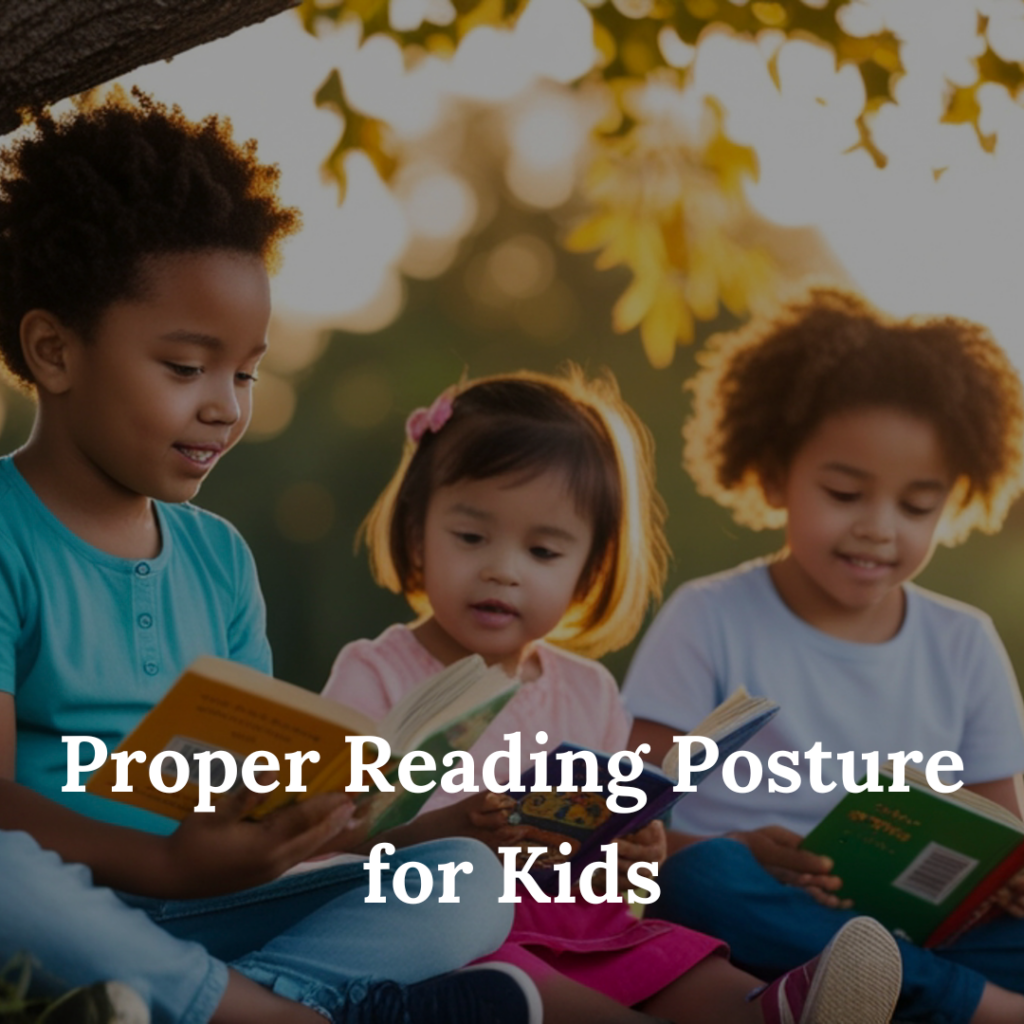
Developing proper reading posture for kids is important for comfort, breathing, and concentration. Many parents notice their child slouching while reading, leaning far forward over books, or lying awkwardly during homework.
While these habits may seem harmless, posture during reading can influence muscle fatigue, neck strain, breathing patterns, and even attention span. Understanding how posture affects the body can help parents support healthier reading habits.
Why Posture Matters During Reading
When children sit with proper posture, their spine remains balanced and their muscles do not have to work as hard to support the body. This allows more energy to be directed toward concentration and learning.
Poor posture, such as slouching or leaning forward, places stress on the neck, shoulders, and upper back. Over time this can lead to fatigue, discomfort, and difficulty maintaining focus during reading or homework.
Forward Head Posture While Reading
One of the most common posture problems seen in children during reading is forward head posture.
This occurs when the head moves in front of the shoulders while looking down at a book or tablet. Because the head weighs several pounds, this position significantly increases the load placed on the neck muscles.
Holding this position for extended periods may contribute to headaches, neck discomfort, and reduced endurance when reading.
Posture, Breathing, and Focus
Posture also influences breathing.
When children slump forward, the chest compresses and the diaphragm cannot move freely. This can limit how deeply a child breathes.
Sitting upright allows the lungs to expand more fully, helping oxygen circulate efficiently to the brain. Adequate oxygen supports alertness and mental clarity while reading.
Signs Your Child's Reading Posture Needs Attention
Parents may notice several signs that posture is affecting their child during reading.
These can include frequent fidgeting, leaning very close to the book, complaints of neck or shoulder discomfort, headaches during homework, or difficulty staying focused.
Often these signs reflect fatigue in the muscles responsible for supporting posture.
The Role of the Spine and Nervous System
The spine protects the nervous system, which helps coordinate muscle movement, posture, and focus.
Healthy spinal mobility allows the body to maintain comfortable positions during activities such as reading and studying. When spinal movement becomes restricted or muscles become overly tense, children may fatigue more quickly while sitting and concentrating.
How Chiropractic Care May Support Posture
Chiropractic care does not treat learning disorders or attention challenges. Instead, it focuses on supporting spinal mobility and reducing mechanical stress in the musculoskeletal system.
A pediatric chiropractor evaluates posture, spinal movement, and muscle balance. Gentle adjustments aim to improve joint mobility and reduce tension patterns.
By supporting healthy spinal movement, chiropractic care may help children maintain more comfortable posture during reading and schoolwork.
Tips for Encouraging Proper Reading Posture
Parents can help children maintain better posture by creating a supportive reading environment.
Children should sit with their back supported, feet resting on the floor or a footrest, and books positioned at eye level when possible. Good lighting can reduce the need to lean forward.
Taking short movement breaks every twenty to thirty minutes can also help reduce muscle fatigue and support concentration.
Final Thoughts on Proper Reading Posture for Kids
Proper reading posture for kids can influence comfort, breathing, and endurance during homework or reading time.
Helping children develop healthy posture habits early may reduce strain on the neck and back while supporting better concentration. Chiropractic care focuses on supporting spinal mobility and musculoskeletal balance so children can move and sit comfortably during daily activities like reading.