Tongue Tie and Chiropractic Support
When a newborn struggles with feeding, clicking during nursing, poor latch, or maternal discomfort, parents may begin hearing the term tongue tie. As families search for solutions, many explore tongue tie and chiropractic support as part of a broader care approach.
Understanding what tongue tie is, how it affects feeding, and how chiropractic care may support biomechanics can help parents make informed decisions.
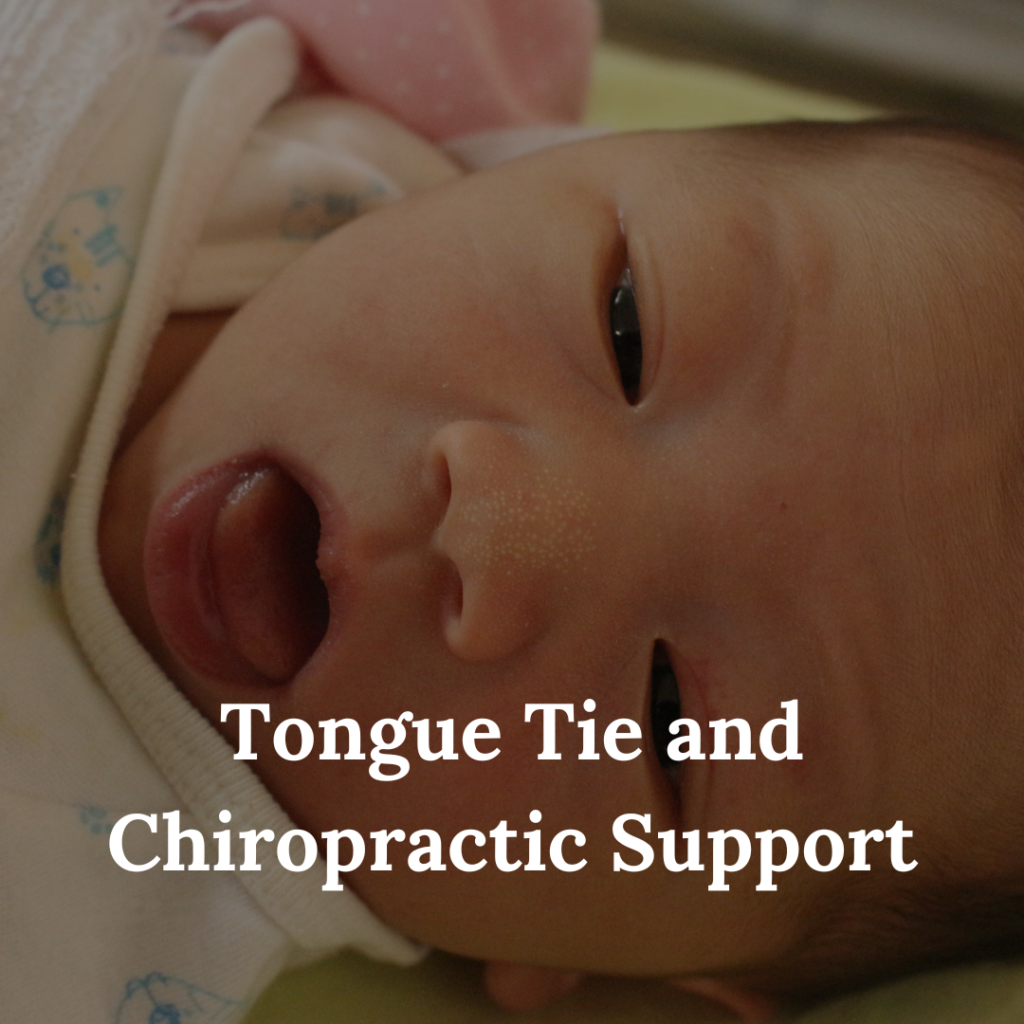
What Is Tongue Tie
Tongue tie, also known as ankyloglossia, is a condition where the lingual frenulum under the tongue is shorter, thicker, or tighter than typical.
This restriction may limit tongue mobility, which can affect breastfeeding, bottle feeding, speech development later in life, and oral coordination.
Diagnosis is typically made by a pediatrician, pediatric dentist, or other qualified medical provider trained in oral evaluation.
How Tongue Tie May Affect Feeding
Effective feeding requires coordinated movement of the tongue, jaw, neck, and nervous system.
If tongue mobility is restricted, a baby may compensate by using jaw clenching, excessive neck tension, or shallow latch patterns. Signs may include clicking sounds during feeding, prolonged feeding sessions, poor weight gain, nipple pain, or frustration at the breast.
Not every feeding challenge is caused by tongue tie, but oral restrictions can contribute in some cases.
The Role of the Neck and Upper Spine
The tongue does not function independently from the rest of the body.
The muscles of the tongue connect through fascial and muscular chains into the jaw, neck, and upper spine. If tension patterns are present in the cervical spine or surrounding muscles, tongue movement and coordination may be further influenced.
Supporting balanced mobility in the neck and upper spine may help optimize how the body coordinates feeding.
How Chiropractic Care May Provide Support
Chiropractic care does not diagnose tongue tie, perform frenectomies, or replace oral surgical procedures.
Instead, pediatric chiropractic focuses on supporting spinal mobility and reducing tension patterns that may influence feeding mechanics. A chiropractor evaluates birth history, head turning preference, jaw movement, and cervical spine mobility.
Gentle adjustments use extremely light pressure appropriate for newborn anatomy and are adapted specifically for infant safety.
Chiropractic Before or After Tongue Tie Release
Some families seek chiropractic care before a tongue tie release to help reduce tension patterns and support optimal feeding mechanics.
Others include chiropractic care after a frenectomy to support neck mobility, posture, and neuromuscular coordination during recovery.
Collaborative care between pediatricians, pediatric dentists, lactation consultants, and chiropractors often provides the most comprehensive support.
The Importance of Lactation and Medical Collaboration
International Board Certified Lactation Consultants play a critical role in evaluating latch, oral function, and feeding mechanics.
Pediatricians and pediatric dental providers are responsible for diagnosing and treating tongue tie when intervention is appropriate.
Chiropractic care should complement, not replace, professional medical and lactation support.
When to Seek Medical Evaluation
Feeding difficulties, poor weight gain, dehydration, persistent nipple pain, or signs of distress require prompt pediatric evaluation.
Parents should always consult qualified medical providers for diagnosis and treatment planning related to tongue tie.
Supportive care options should be integrated thoughtfully within a coordinated plan.
Final Thoughts on Tongue Tie and Chiropractic Support
Tongue tie can influence feeding and oral coordination in some infants.
Chiropractic care does not treat tongue tie directly, but it may support spinal mobility, reduce tension patterns, and optimize nervous system communication related to feeding mechanics.
When used as part of a collaborative care approach, chiropractic support may help families navigate feeding challenges more confidently.